BBA's Mission
The impacts of poverty on students’ ability to learn effectively – from lack of readiness for kindergarten to health-related impediments to focusing in class and disproportionate placement in segregated and under-resourced schools – are increasingly understood. The Broader, Bolder Approach to Education advances a comprehensive, research-based policy agenda to mitigate those impacts and, thus, even the education playing field so that all US children have a true opportunity to thrive in school and life. Learn more about BBA
Featured Resources
Mission Statement
Executive Summary
Original BBA Mission Statement
BBA's Leadership
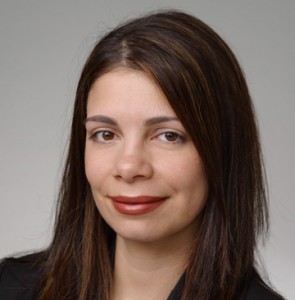
Featured Advisory Board Member
Miriam Calderon
Miriam Calderon is a senior fellow with the BUILD Initiative and Senior Advisor for Early Learning for the Bainum Family Foundation. In this capacity, she leads BUILD’s work related to dual-language learners, and directs the Bainum Family Foundation’s investment in early learning in the District of Columbia. Prior to this work, Miriam served as a political appointee in … Continued
Co-Chairs
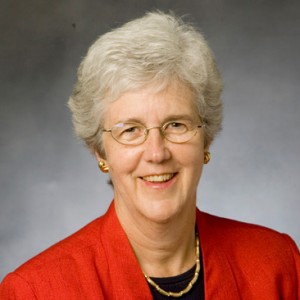
Helen Ladd
Susan B. King Professor of Public Policy,
Duke University
Pedro Noguera
Distinguished Professor of Education and Director,
Center for the Study of School Transformation,
UCLA
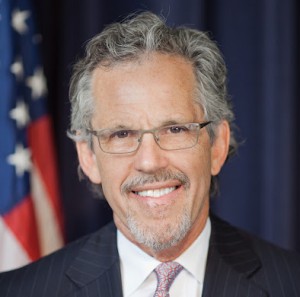
Paul Reville
Francis Keppel Professor of Practice of Educational Policy and Administration and founding director, Education Redesign Lab

Joshua Starr
CEO
Phi Delta Kappa International
National Coordinator
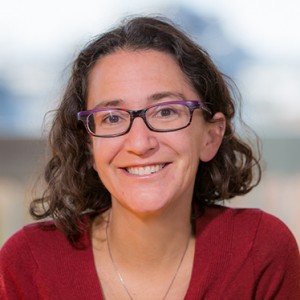
Elaine Weiss
National Coordinator
Elaine Weiss is the National Coordinator for the Broader Bolder Approach to Education, where she works with four co-chairs, a high-level Advisory Board, and multiple coalition partners to promote a comprehensive, evidence-based set of policies to allow all children to thrive in school and life. Major publications for BBA include case studies of diverse communities across the … Continued